Science to Solutions
 Sage Grouse Conservation Benefits Migratory Mule Deer
March 15, 2015
This report shows how habitat conservation for sage grouse, considered an umbrella species, can also protect critical habitat for mule deer. Scientists found that sage grouse conservation efforts doubled the protection of deer migration habitat and winter range.
 Marking High-Risk Fences Saves Sage Grouse
December 19, 2014
Marking fences for visibility can dramatically reduce sage grouse collisions. A new mapping tool can help managers and landowners target those fences that pose the highest risk for grouse strikes: fences close to leks, and in flat or rolling terrain.
 Wildfire and Cheatgrass: New Science Helps Reduce Threats to Sage Grouse
November 22, 2014
Wildfires and the invasion of exotic annual grasses like cheatgrass can transform large expanses of sagebrush habitat, which is bad for sage grouse. This new strategy serves as a powerful decision tool to address wildfire and cheatgrass threats.
 Private Lands Vital to Conserving Wet Areas for Sage Grouse Summer Habitat
October 30, 2014
An impressive 85% of leks (sage grouse breeding areas) cluster within six miles of wet summer habitats. Successful sage grouse conservation will hinge on cooperative conservation with private landowners to sustain these lush and vital summer habitats.
 Predicting the Outcome of Wyoming’s Sage Grouse Conservation Strategy
June 19, 2014
This recent study by The Nature Conservancy, University of Wyoming and the Sage Grouse Initiative finds that Wyoming’s strategy, combined with targeted conservation easements on private lands, could cut anticipated sage grouse losses by half statewide, and by nearly two-thirds within core habitat areas.
 Conifer Removal Restores Sage Grouse Habitat
April 23, 2014
Hundreds of thousands of acres of intact sagebrush lands–and the grouse that depend upon them–are threatened by invading conifers. SGI helps remove the threat to prevent further loss.
 Science to Solution Series: Marking High-Risk Fences Saves Sage Grouse
March 20, 2014
The Sage Grouse Initiative (SGI) regularly joins with its partners to fund and support science that is designed to help guide conservation solutions on the ground. Today, we announce the first in our “Science to Solutions” series for the public, titled “Marking High-Risk Fences Saves Sage Grouse.” The next in the series will focus on the removal of conifers invading historic sagebrush-steppe.
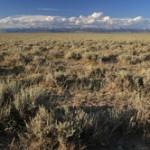 Technical Fact Sheet: Mapping Potential Ecosystem Resilience and Resistance for Sage Grouse
January 29, 2014
Science Technical Fact Sheet: Mapping Potential Ecosystem Resilience and Resistance across Sage-Grouse Range using Soil Temperature and Moisture Regimes A recent scientific breakthrough links soil temperature and moisture regimes to sagebrush ecosystem responses to disturbance and annual grass invasion. Soil climate data are fundamentally important in classifying and mapping soils, and are widely collected as part of […]
Archives
Categories
- Ask An Expert
- Conifer Removal Studies
- Events & Webinars
- Featured Friends
- Great Basin Fact Sheets
- Job Announcements
- News
- Publication Alert
- Sage Whiz Quizzes
- Science to Solutions
- SGI Featured Ranchers
- Success Stories
- Working Lands Snapshot
 |
RSS |
Tags
Bi-State birds California cheatgrass Colorado conifer removal conservation conservation easement conservation easements field staff grazing management Great Basin habitat habitat restoration Idaho jobs mapping tool mesic habitat Montana Nevada NRCS Oregon partners private land conservation rancher ranching rangeland report research restoration sagebrush sage grouse sage grouse conservation science Utah voluntary conservation water West wet habitat wet meadows wildfire wildlife working lands working lands for wildlife WyomingRecent Posts